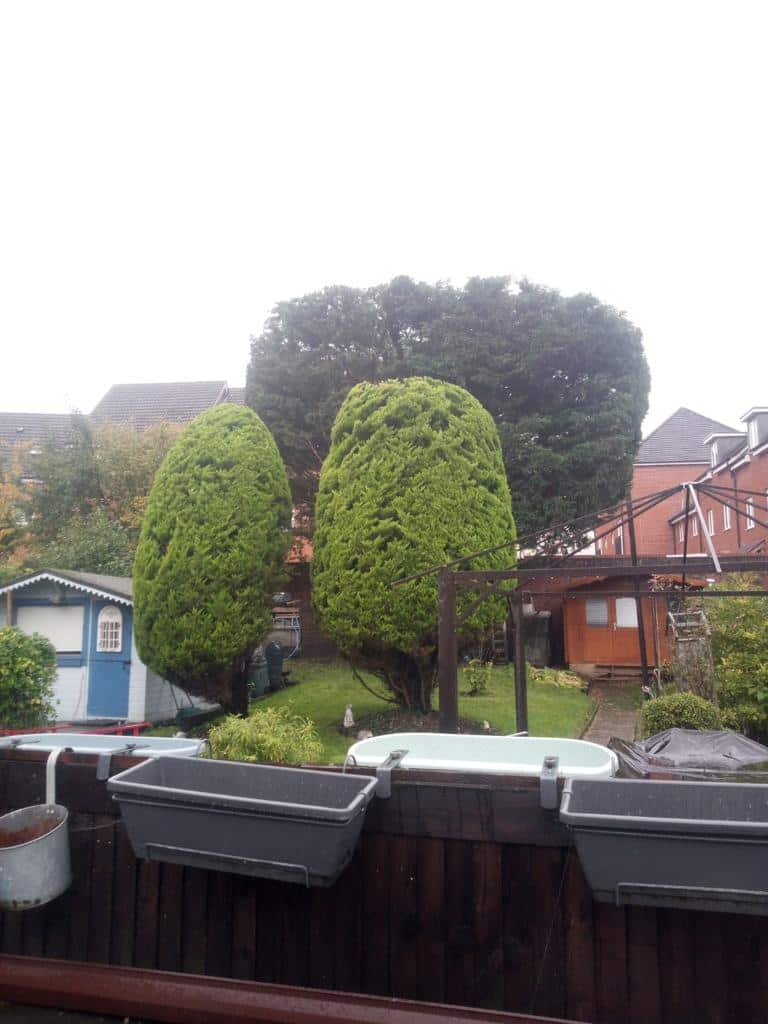
An overgrown tree canopy can affect the appearance, safety and usability of an outdoor space. Excessive growth may block natural light, extend over buildings, interfere with nearby structures or create dense areas where branches compete for space. However, removing the entire tree is not always necessary. In many cases, carefully planned pruning can reduce the canopy while allowing the tree to remain a healthy and attractive feature of the garden.
For property owners in Hook, Hampshire, professional tree surgery offers a way to manage excessive growth without unnecessary removal. Understanding the available techniques can help you choose an approach that suits the tree’s condition, size and surroundings.
What Causes a Tree Canopy to Become Overgrown?
Trees naturally develop larger canopies as they mature, but their growth can become difficult to manage when branches spread beyond the available space. Some species grow particularly quickly, while others develop dense crowns that require occasional maintenance.
Common reasons for managing an overgrown canopy include:
- Branches extending too close to roofs, walls or other structures.
- Excessive shade affecting lawns, gardens or outdoor seating areas.
- Dense growth restricting airflow through the canopy.
- Branches obstructing pathways, driveways or access points.
- Crossing or overcrowded branches competing for space.
- Dead, damaged or poorly positioned growth within the crown.
Before pruning begins, it is important to understand why the canopy has become problematic. The right approach should address the specific issue while preserving the tree’s natural shape and long-term health.
Crown Reduction: Reducing the Overall Size of the Canopy
Crown reduction is one of the most suitable techniques when a tree has become too large for its surroundings. It involves carefully shortening selected branches throughout the canopy to reduce its height and spread.
Rather than cutting the top or sides back indiscriminately, a skilled tree surgeon makes appropriate cuts to suitable growth points. This helps retain the tree’s natural form and avoids leaving large, unsightly stubs.
Crown reduction may be useful when:
- Branches are extending over nearby buildings.
- The tree has grown too tall for its setting.
- The canopy is spreading into neighbouring spaces.
- The overall size needs to be brought into proportion with the garden.
The amount of reduction depends on the tree species, age, health and existing structure. Removing too much foliage in one session can place considerable stress on a tree, so the work should be carefully planned.
Crown Thinning to Improve Light and Airflow
Sometimes a tree does not need to be made significantly smaller. Instead, the main concern may be a canopy that has become too dense.
Crown thinning involves selectively removing smaller branches throughout the crown to reduce congestion while maintaining the tree’s overall size and shape.
This can allow more natural light to pass through the canopy and improve airflow between branches. It may also help reduce the visual density of the tree without creating a heavily altered appearance.
Crown thinning should be carried out selectively. Removing too much internal growth can affect the tree’s structure and appearance, so the aim is to achieve a balanced result rather than simply removing as many branches as possible.
Crown Lifting to Create More Space Beneath the Tree
If lower branches are obstructing pathways, driveways or garden areas, crown lifting may be a suitable option.
This technique involves removing selected lower branches to increase clearance beneath the canopy. It can make outdoor spaces easier to access and improve visibility around the property.
Crown lifting is particularly useful where branches hang too close to the ground or interfere with regular activities. However, removing too many lower branches can affect the tree’s balance and appearance. A professional assessment helps determine how much clearance can be created without compromising its structure.
Removing Dead, Damaged and Crossing Branches
An overgrown canopy may contain branches that are no longer healthy or are poorly positioned. Deadwood removal and selective pruning can help address these issues without reducing the entire tree.
Branches that cross or rub against one another may develop wounds where the bark is damaged. Removing an unsuitable branch can reduce this friction and improve the overall arrangement of the canopy.
Dead or damaged branches should also be assessed, particularly where they are large or positioned above frequently used areas. Selective removal can improve safety while retaining the healthy parts of the tree.
Why Professional Pruning Is Important
Reducing a tree canopy requires an understanding of how different species respond to pruning. Incorrect cuts or excessive removal can weaken the tree, encourage poorly positioned regrowth and leave it vulnerable to disease.
A professional tree surgeon will assess the canopy, identify branches that need attention and choose a suitable pruning method. The work should follow the tree’s natural growth pattern, with careful cuts that preserve its structure.
It is also important to consider the tree’s surroundings, including nearby buildings, garden features and access routes. This helps ensure that branches can be removed safely and the finished result remains balanced.
For homeowners in Hook, Hampshire, professional tree surgery can provide a practical way to manage overgrown trees while retaining their value within the garden.
How Often Should an Overgrown Tree Canopy Be Pruned?
There is no single pruning schedule that suits every tree. The appropriate frequency depends on the species, growth rate, age, health and location.
Some trees may only need occasional maintenance, while faster-growing varieties may require more regular attention. Repeated heavy pruning should generally be avoided, as it can place unnecessary stress on the tree.
A tree surgeon can recommend a suitable maintenance approach based on the condition of the canopy and the results you want to achieve.
Conclusion
An overgrown tree canopy does not always mean the entire tree needs to be removed. Techniques such as crown reduction, crown thinning, crown lifting and selective branch removal can help manage excessive growth while preserving the tree’s natural character.
If a tree on your property has become too large or is interfering with your outdoor space, NS Tree Surgery Hook can assess its condition and recommend suitable pruning options. Get in touch to discuss your requirements and arrange a professional assessment in Hook, Hampshire.
Call us on: 01256 577 998
Click here to find out more about NS Tree Surgery Hook
Click here to complete our contact form and see how we can help with your tree needs.